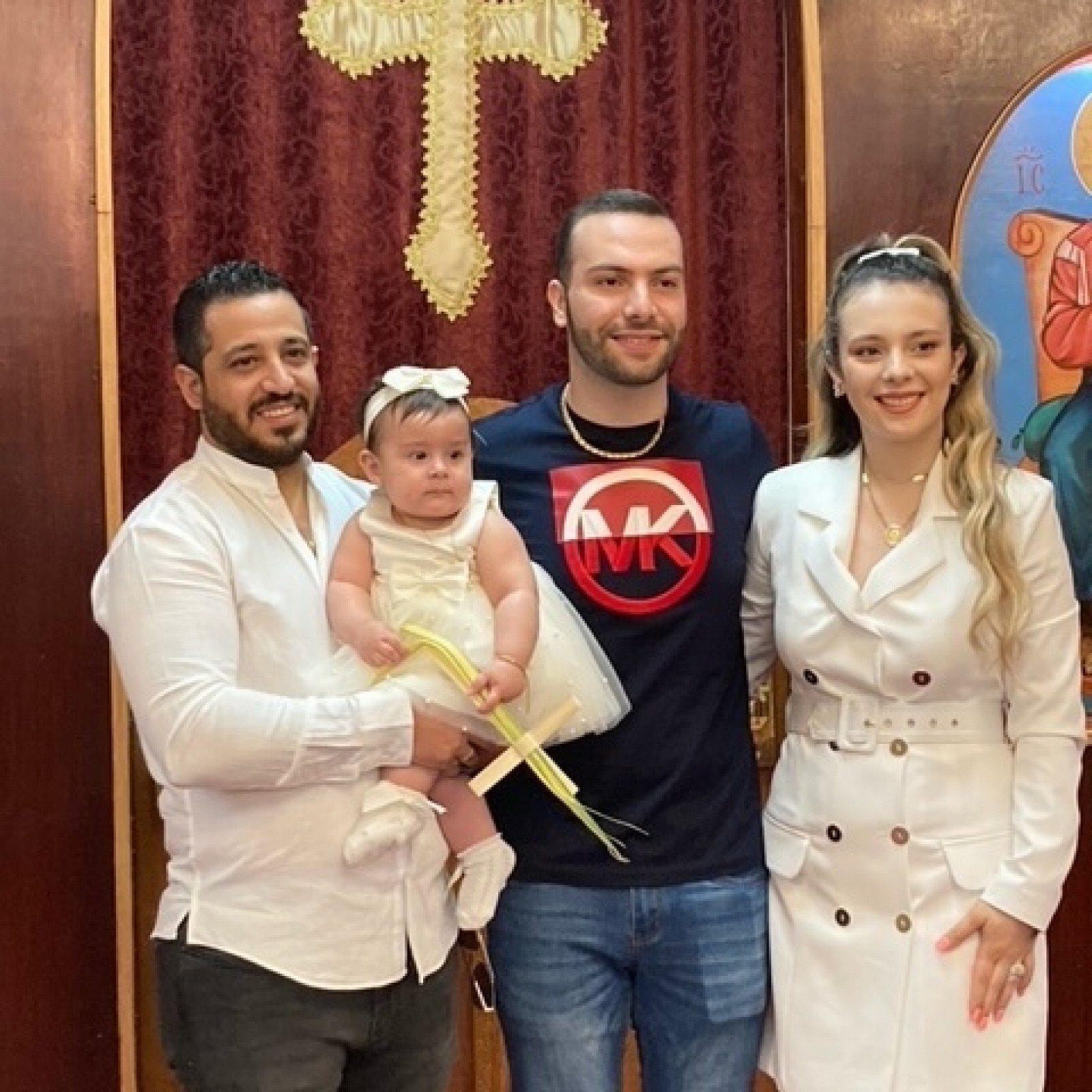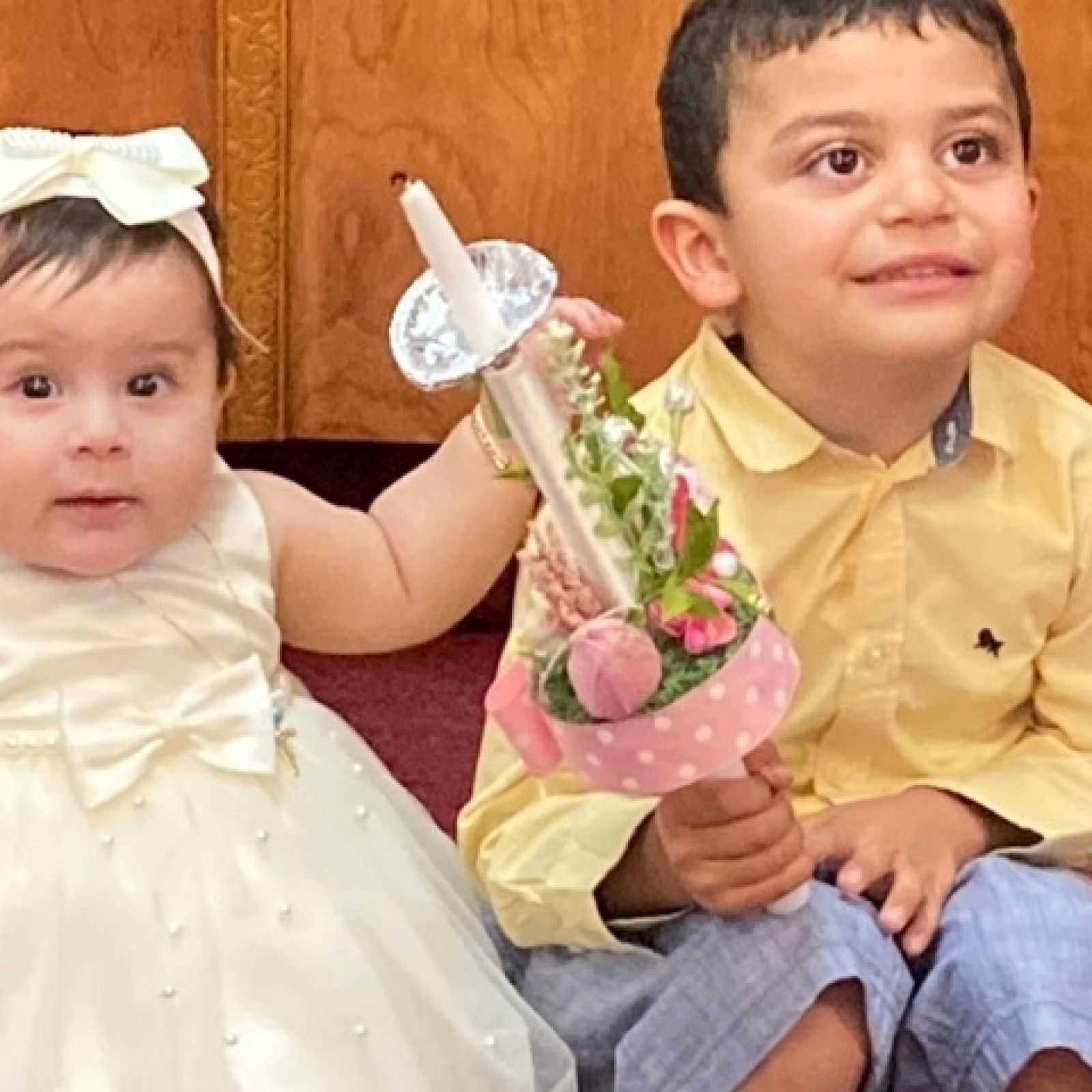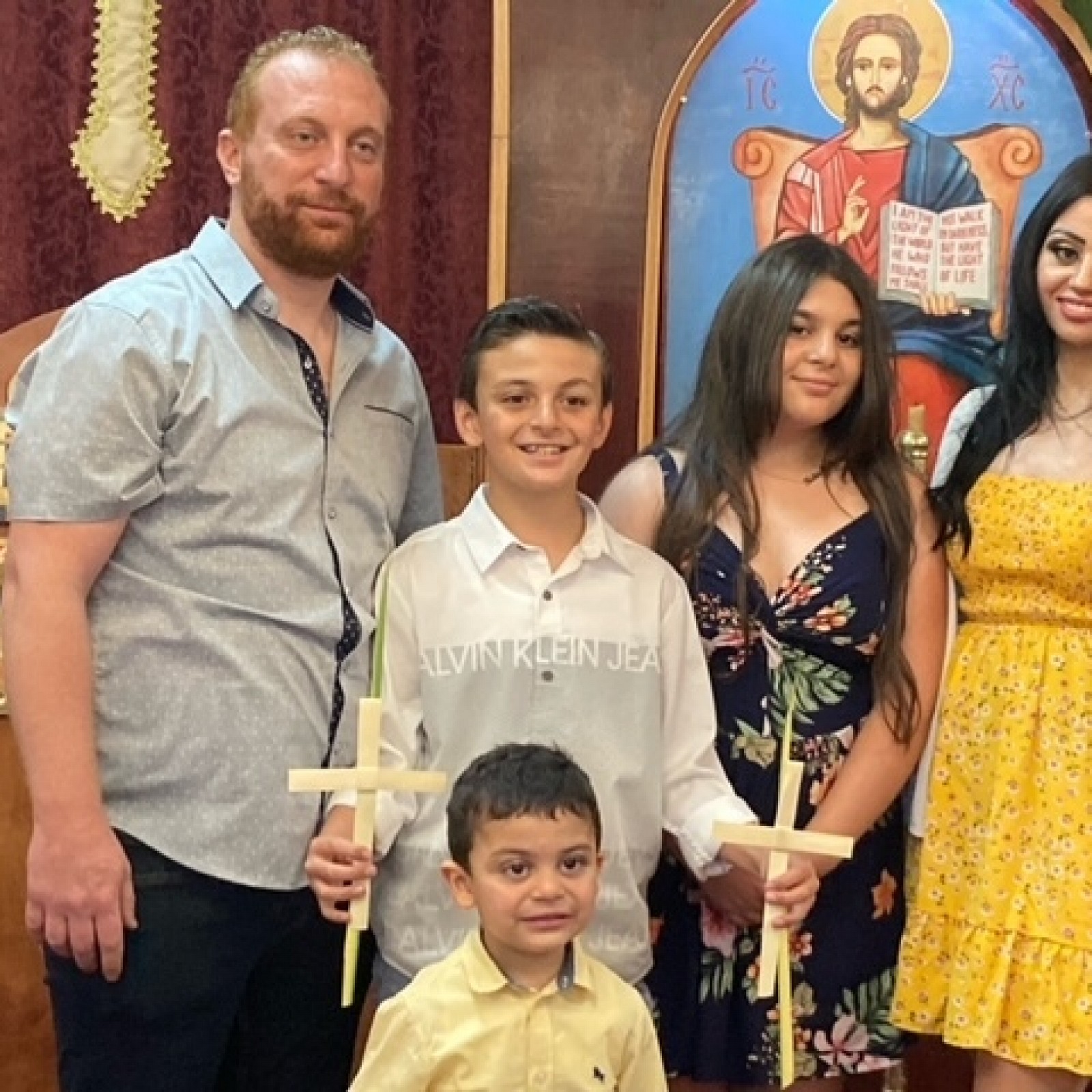
In a ever-evolving world bereft of core beliefs, the Patriarchate of Antioch and its Archdiocese in North America embodies and engenders the continuity of the Apostolic Tradition, the preservation of the Historical Church, It’s Teachings, Theology, Dogma, and Precepts, and the Immutability of the ever Loving and Unchanging Triune God.
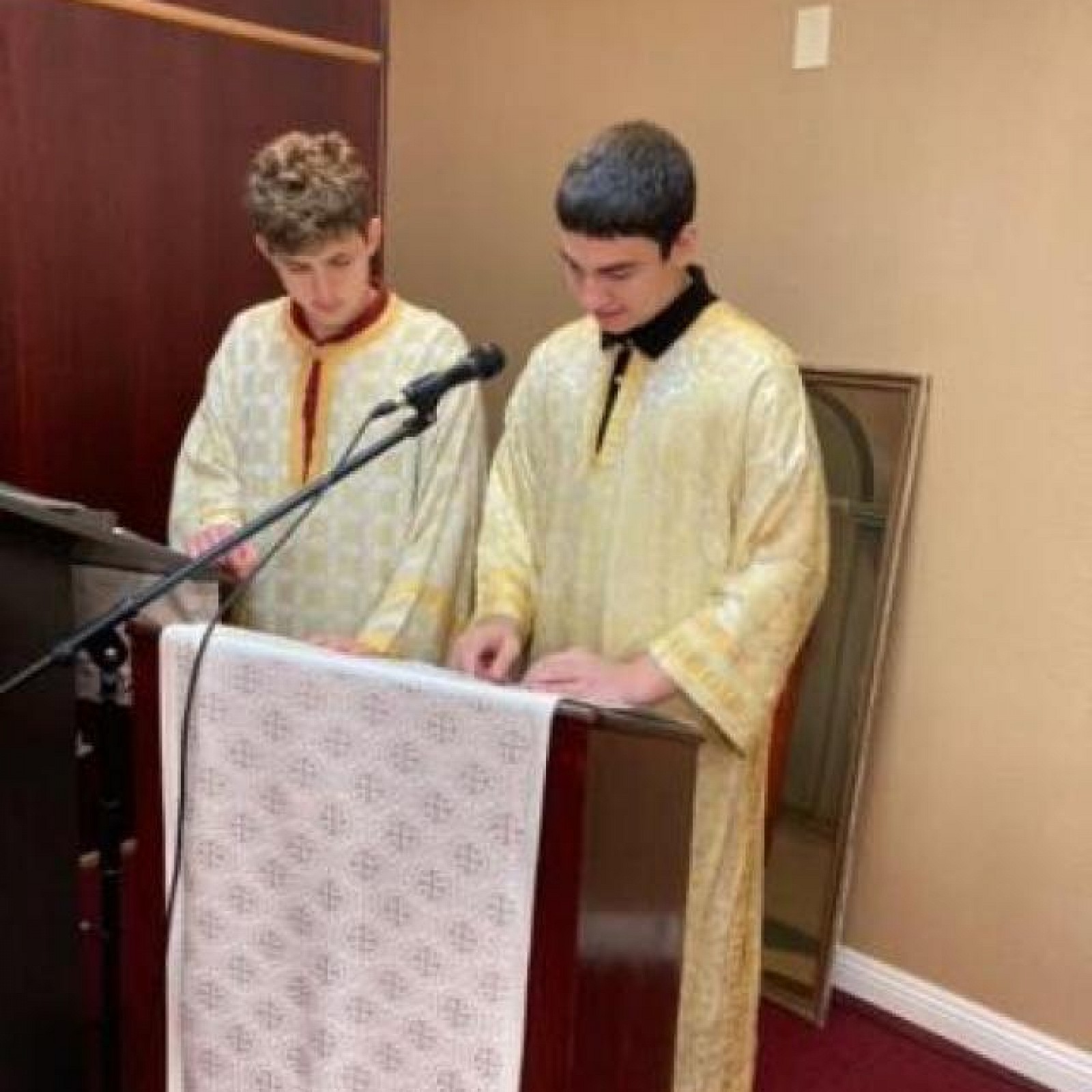
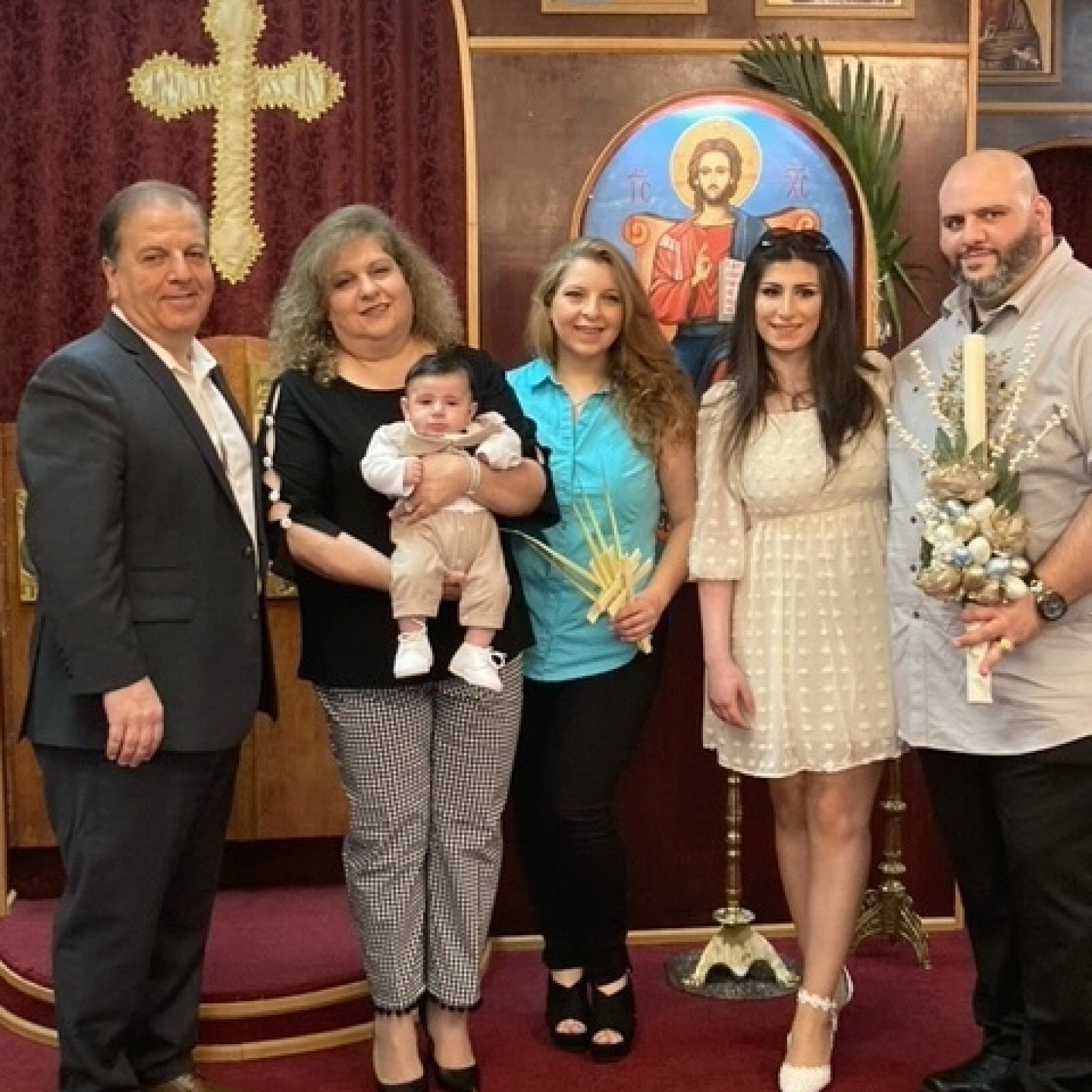
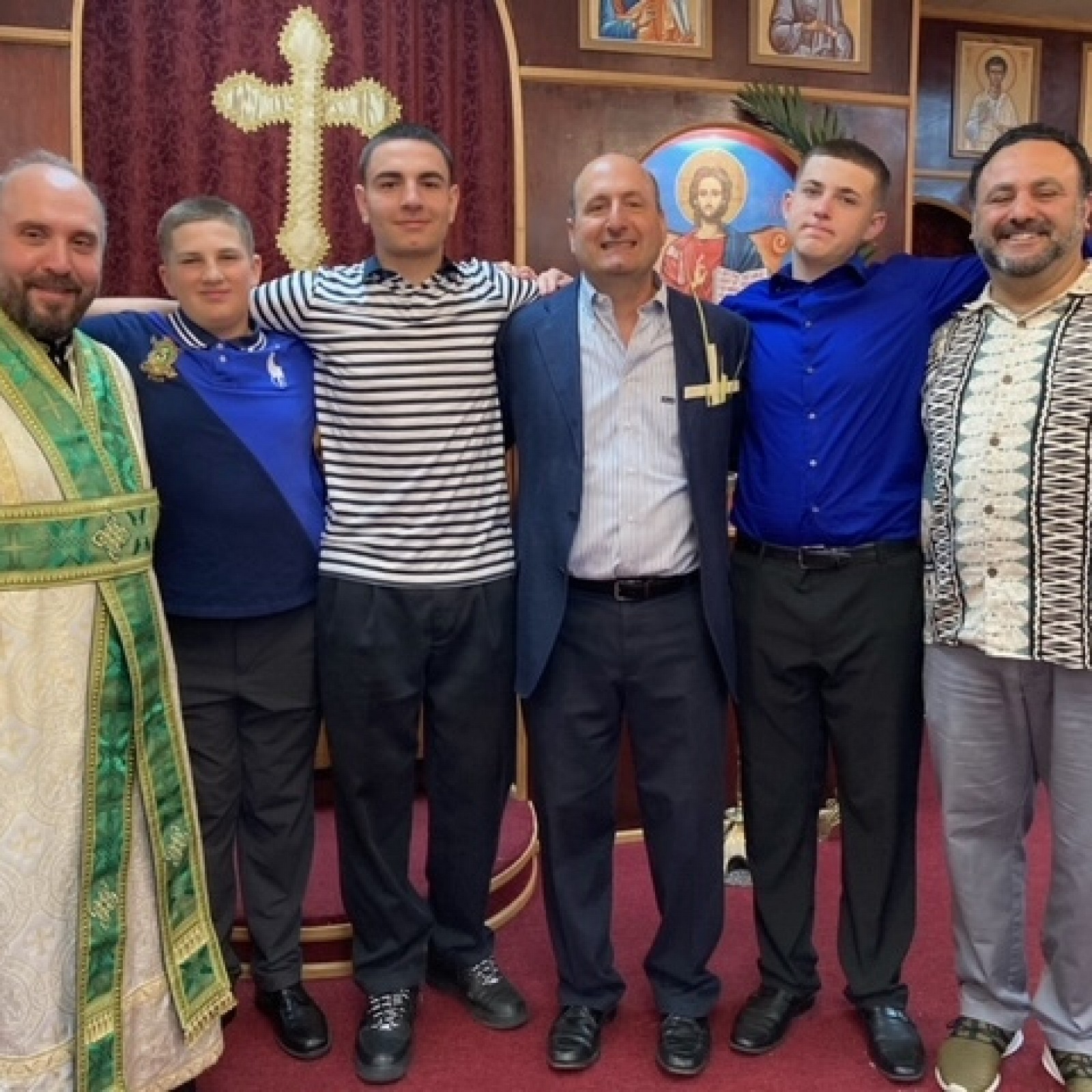
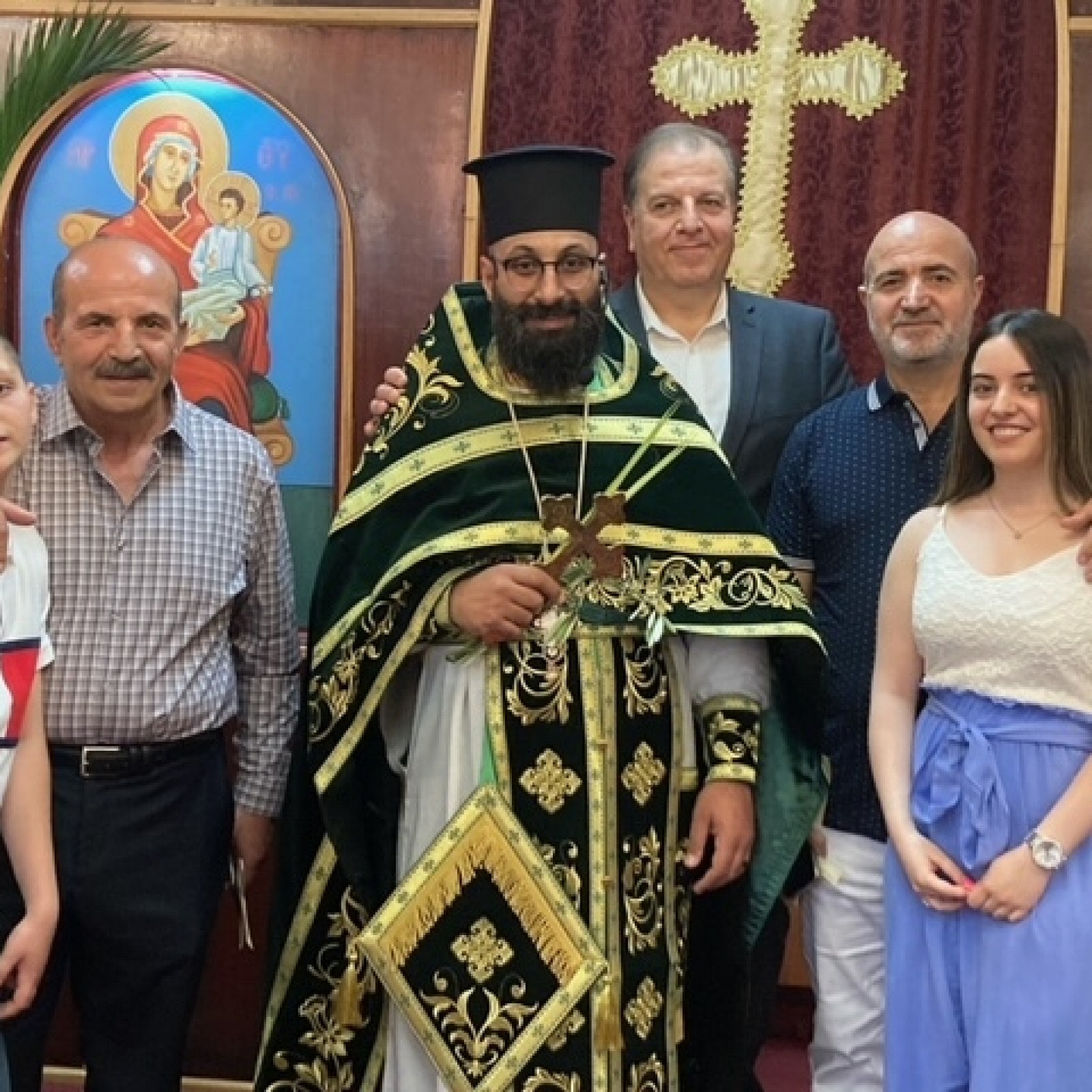
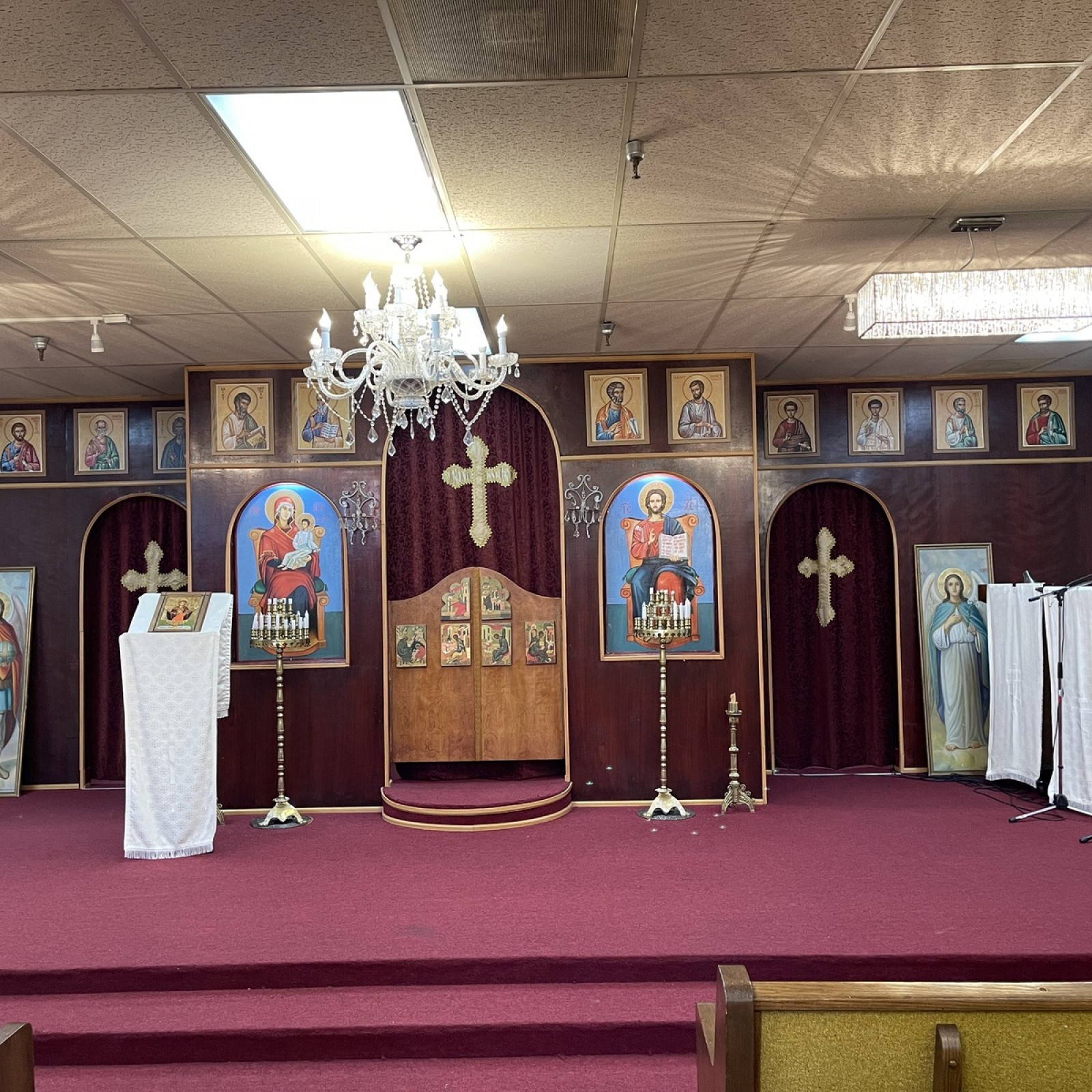
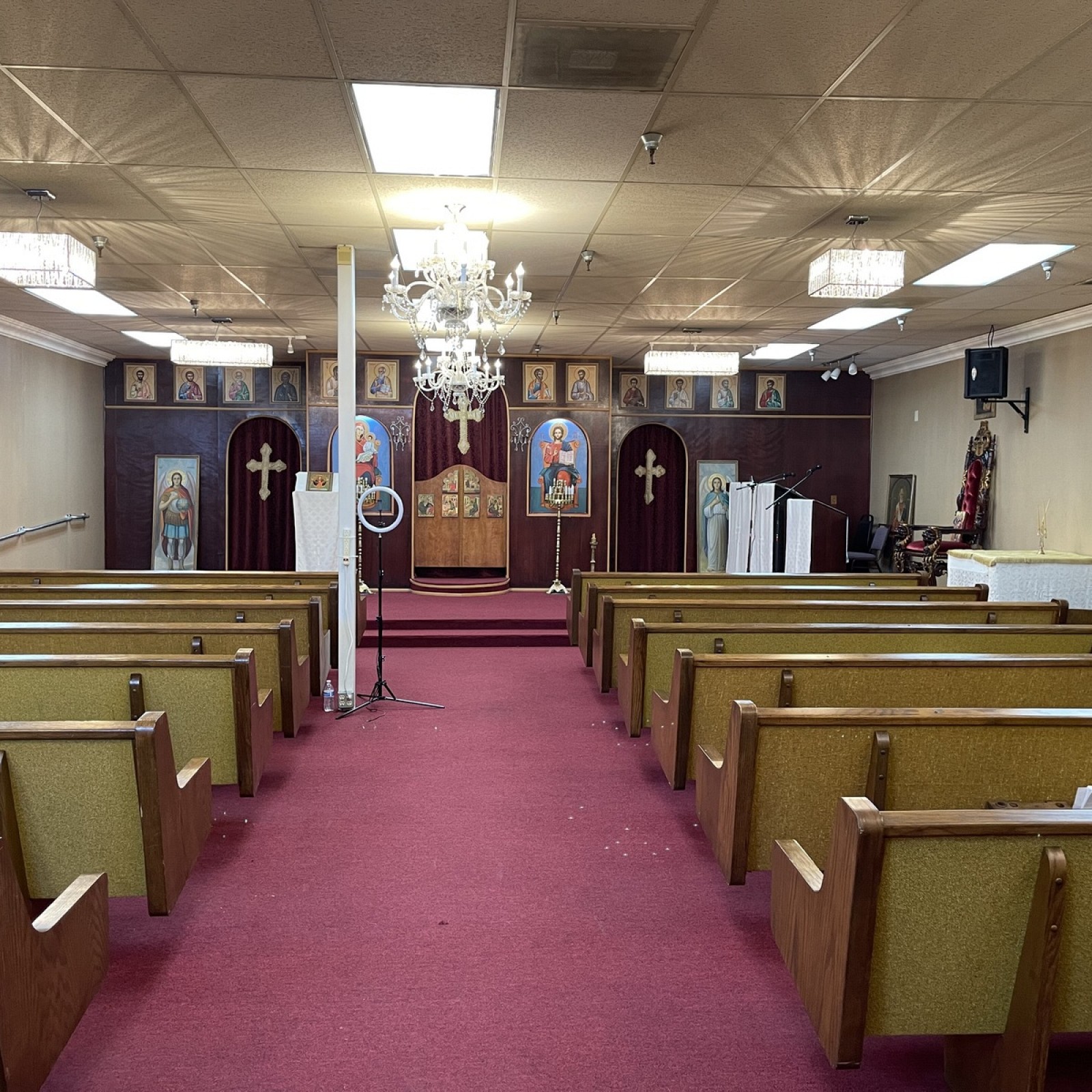
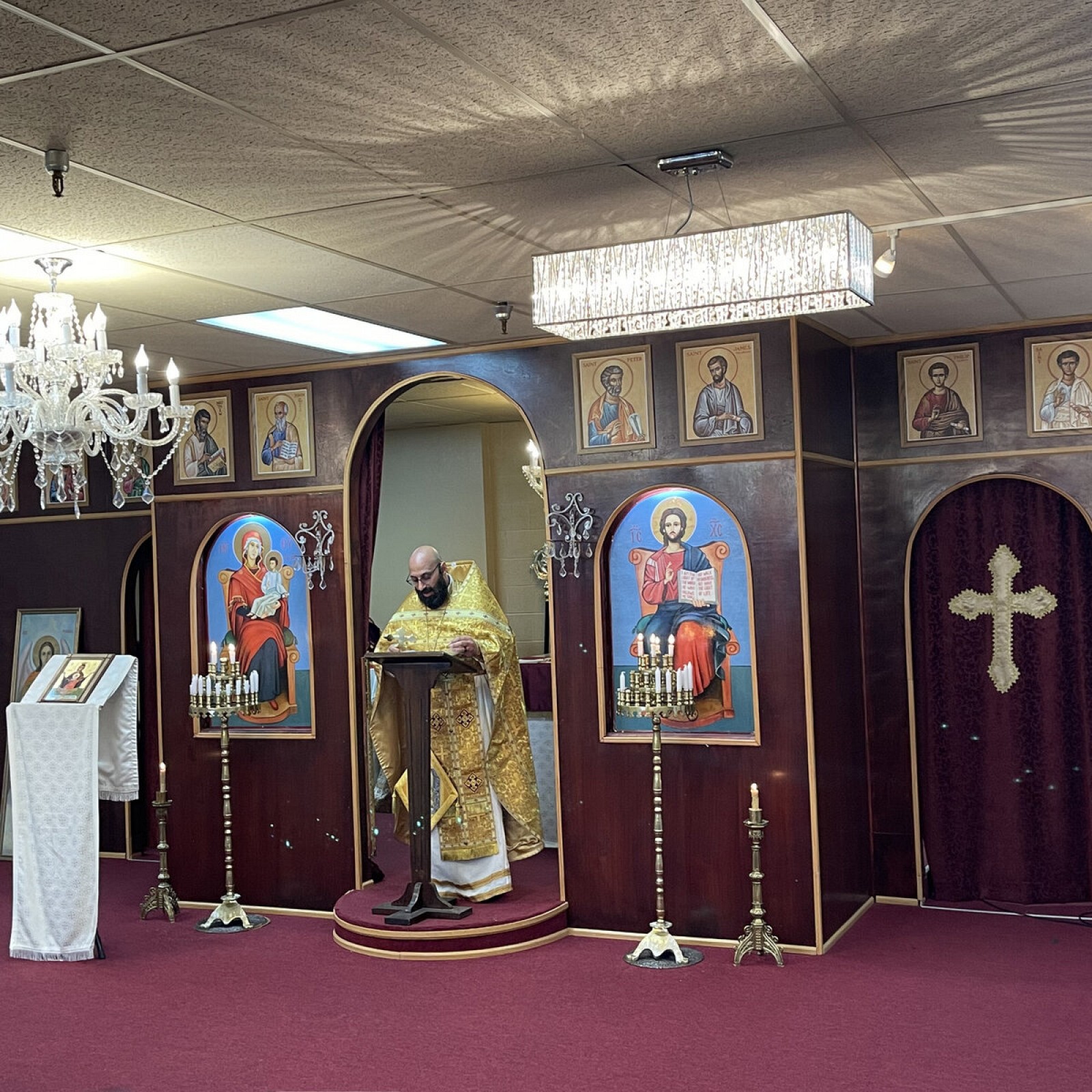
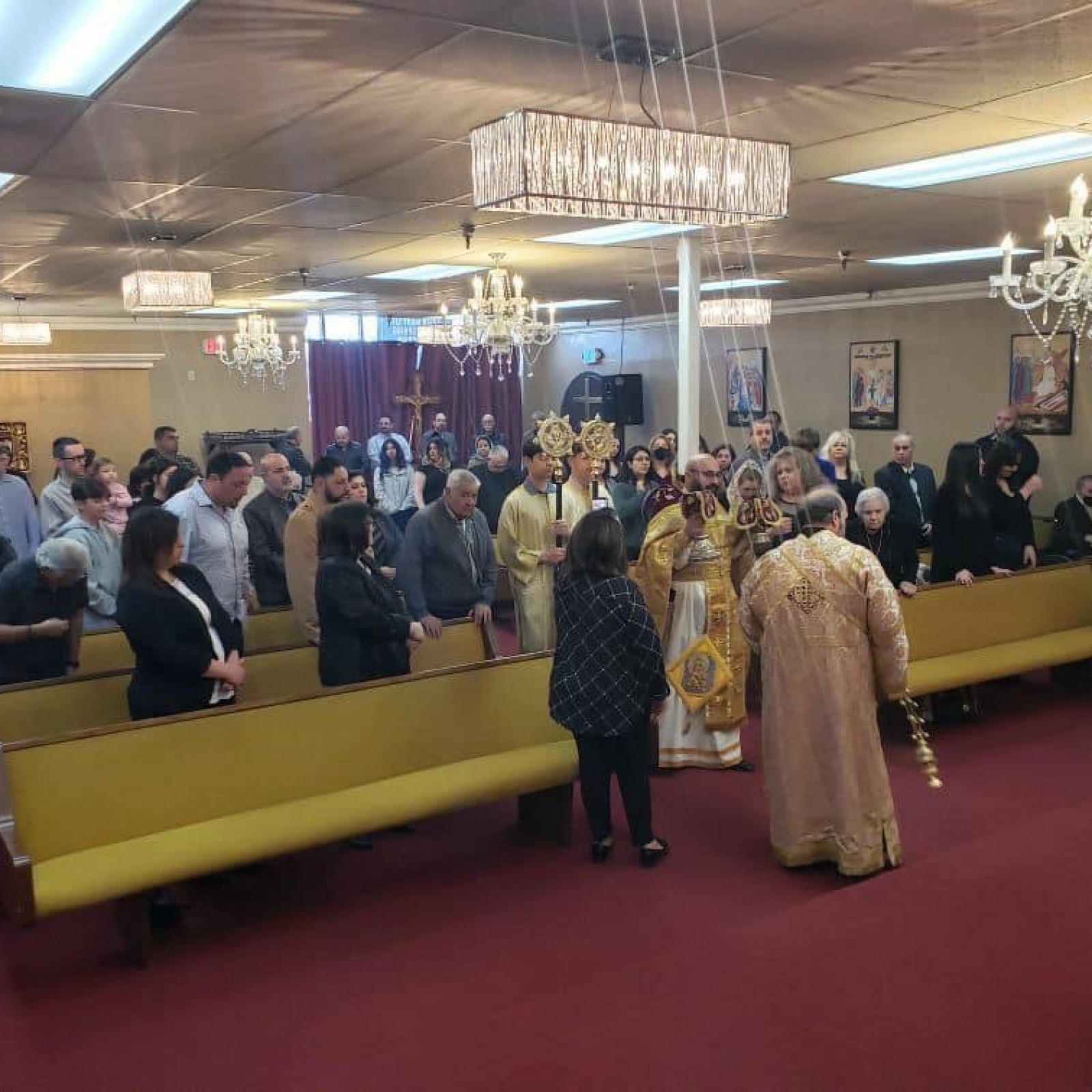
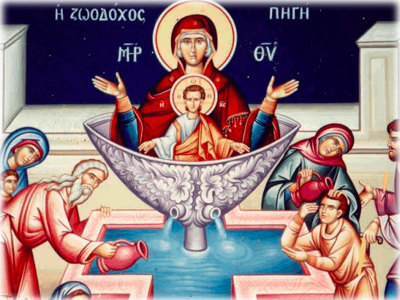
Virgin Mary Life Giving Spring Antiochian Orthodox Church is a church parish within the Historical, Canonical, and Apostolic Patriarchate of Antioch and its Metropolis, the Antiochian Orthodox Christian Archdiocese of North America. Shepherded by our Primate, His Eminence Metropolitan SABA, Archbishop of New York and Metropolitan of North America, the Antiochian Archdiocese endeavors to serve all who desire to know and love The Lord Jesus Christ and to realize the salvation of their souls.
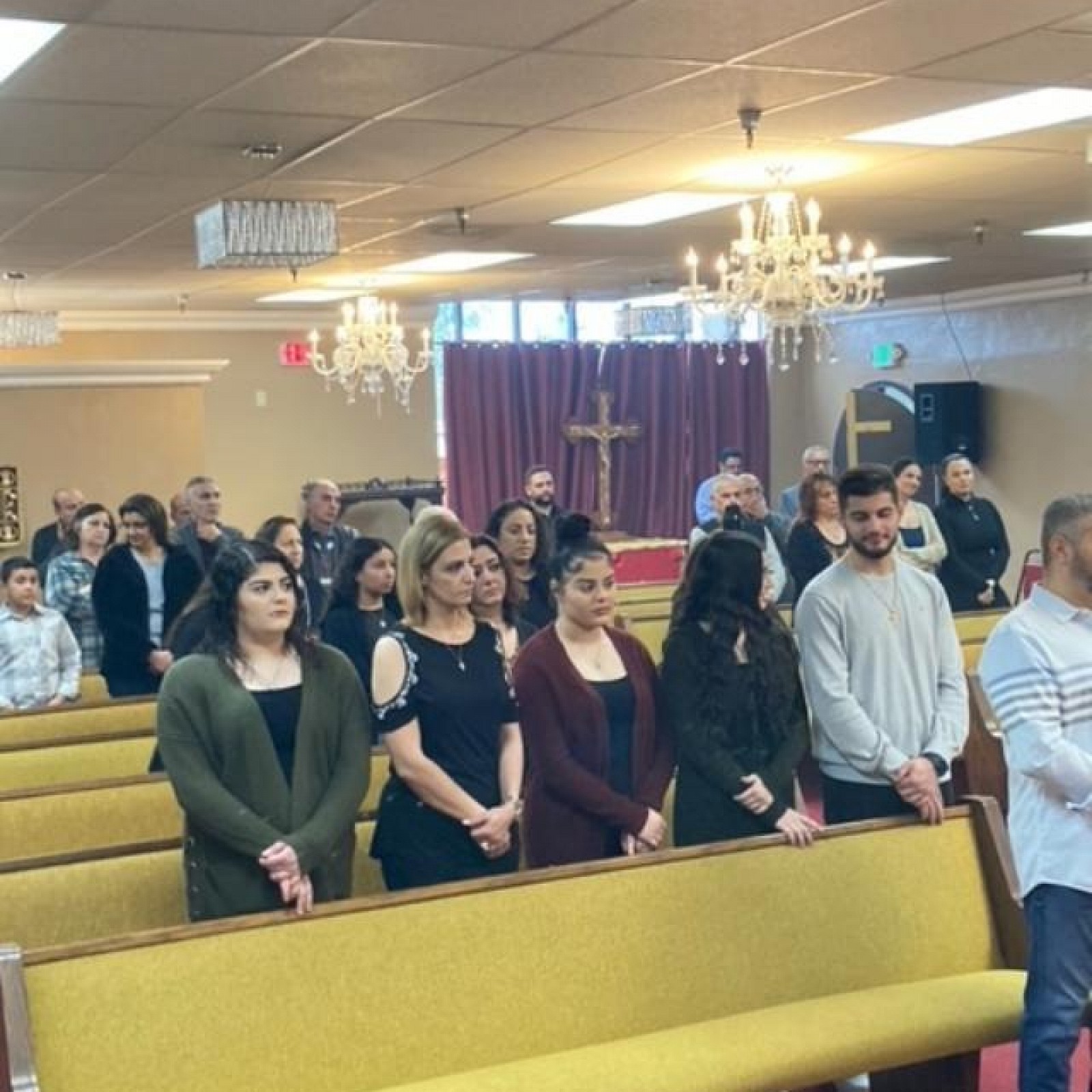
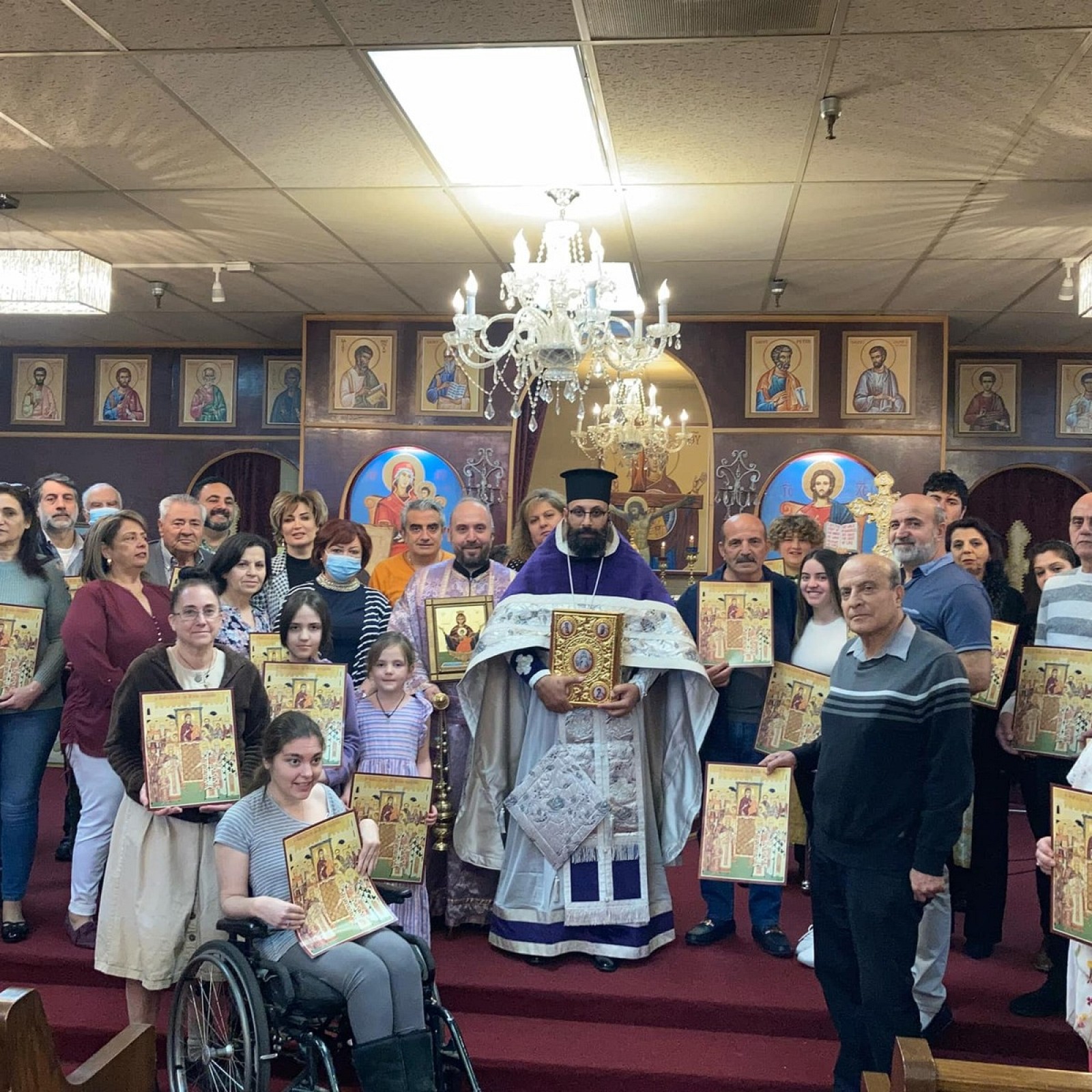
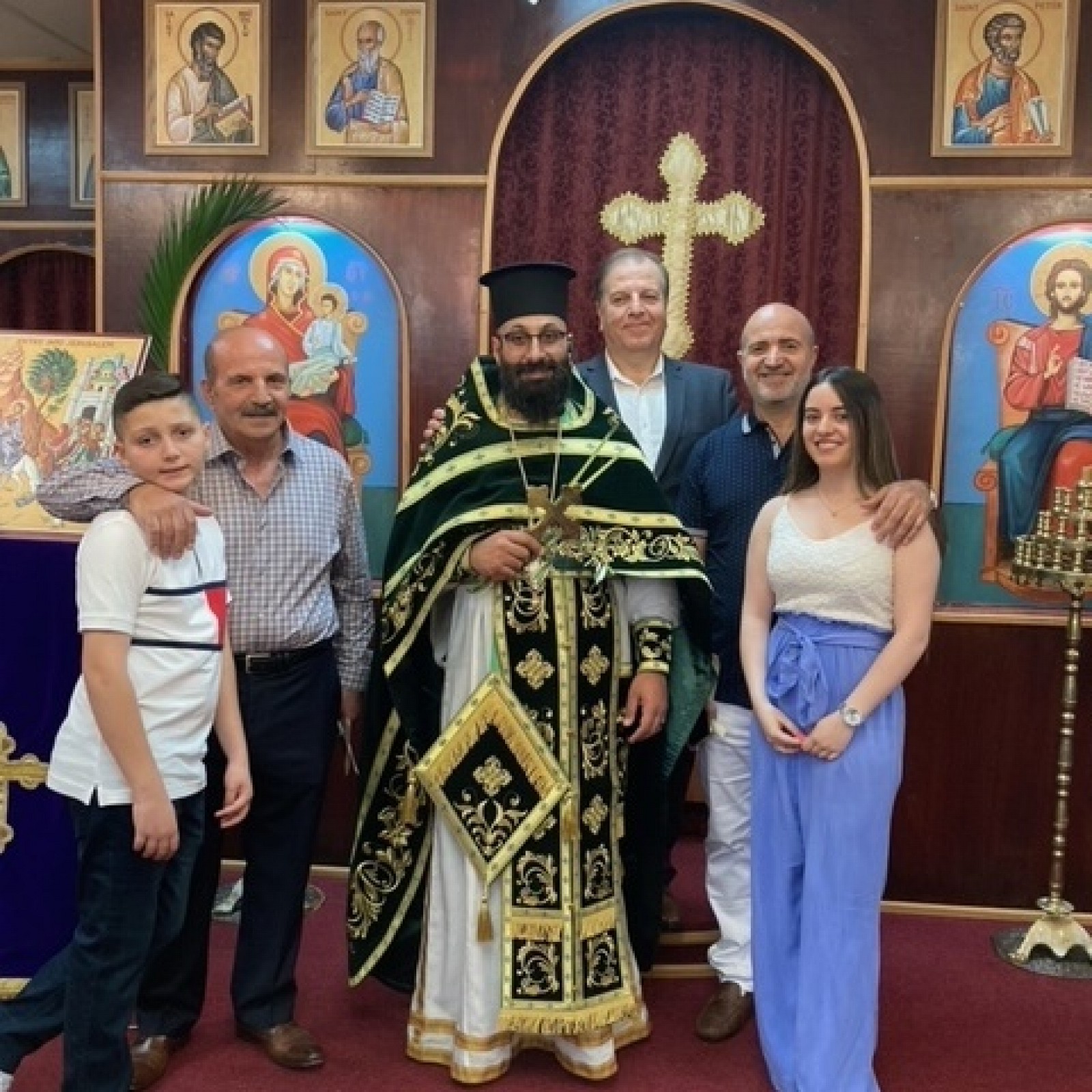
Whilst the parish of Virgin Mary was established by an emblematic group of individuals that reflect the pluralistic nature of the larger Middle East including Syrians, Jordanians, Lebanese, and Palestinians it is a parish that serves and nurtures all faithful Orthodox Christians. All who love The Lord Jesus Christ and wish to demonstrate their faith and fidelity to The Holy Orthodox Church and Its teachings are welcome. Indeed, the diverse faithful of Virgin Mary Life Giving Spring call this humble and beautiful church their own. We invite all to come and see that The Lord is Good, that “Jesus Christ is the same yesterday, and today, and forever”, and that the “faith was once delivered unto the saints”.
We believe in the Holy Trinity: Father, Son, and Holy Spirit; one in essence and love, distinct only in persons (hypostasis), whom we worship and glorify.
We believe in the divinely revealed scriptures of the Old and New Testament as the record of God's works and understand them through the activity of the Holy Spirit Who preserves and guides the unchanging Tradition of the Church.
We believe that the Church is One, Holy, Catholic (universal), and Apostolic and preserved by the promise of Jesus Christ that "the gates of hell will not prevail against it."
Orthodoxy is the "right", "true", "straight", and "unchanging" worship and dogma of the triune God, Father, Son, and Holy Spirit and that of the eternally begotten Son of God, Jesus Christ. It is "what Jesus taught, what the Apostles preached, and what the Father's kept" (St Athanuasius the Great).
The Orthodox Church traces its origin back to Jesus Christ and His Apostles. The Church came into Its fullness at Pentecost, 50 days after Jesus Christ's glorious third day resurrection from the dead.
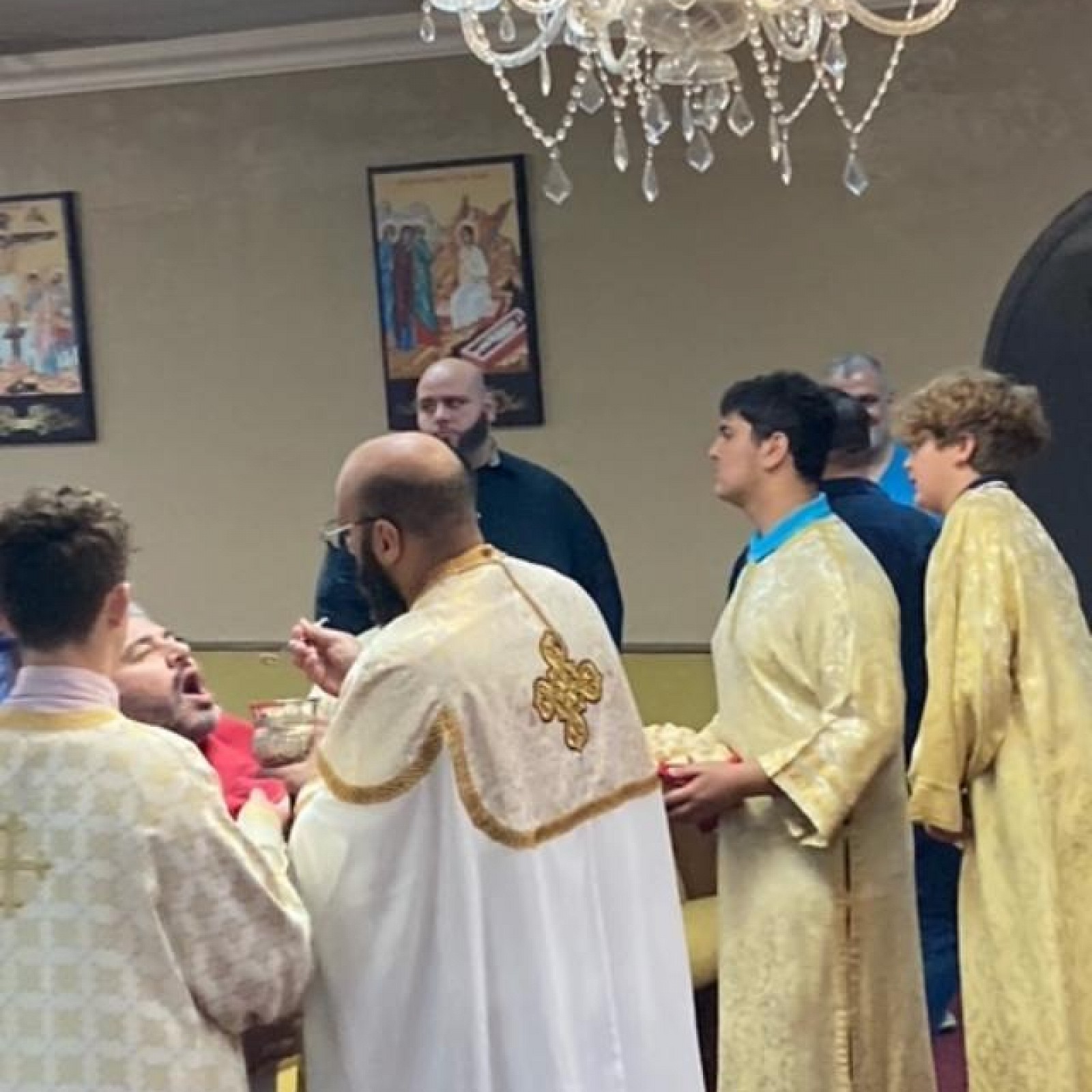
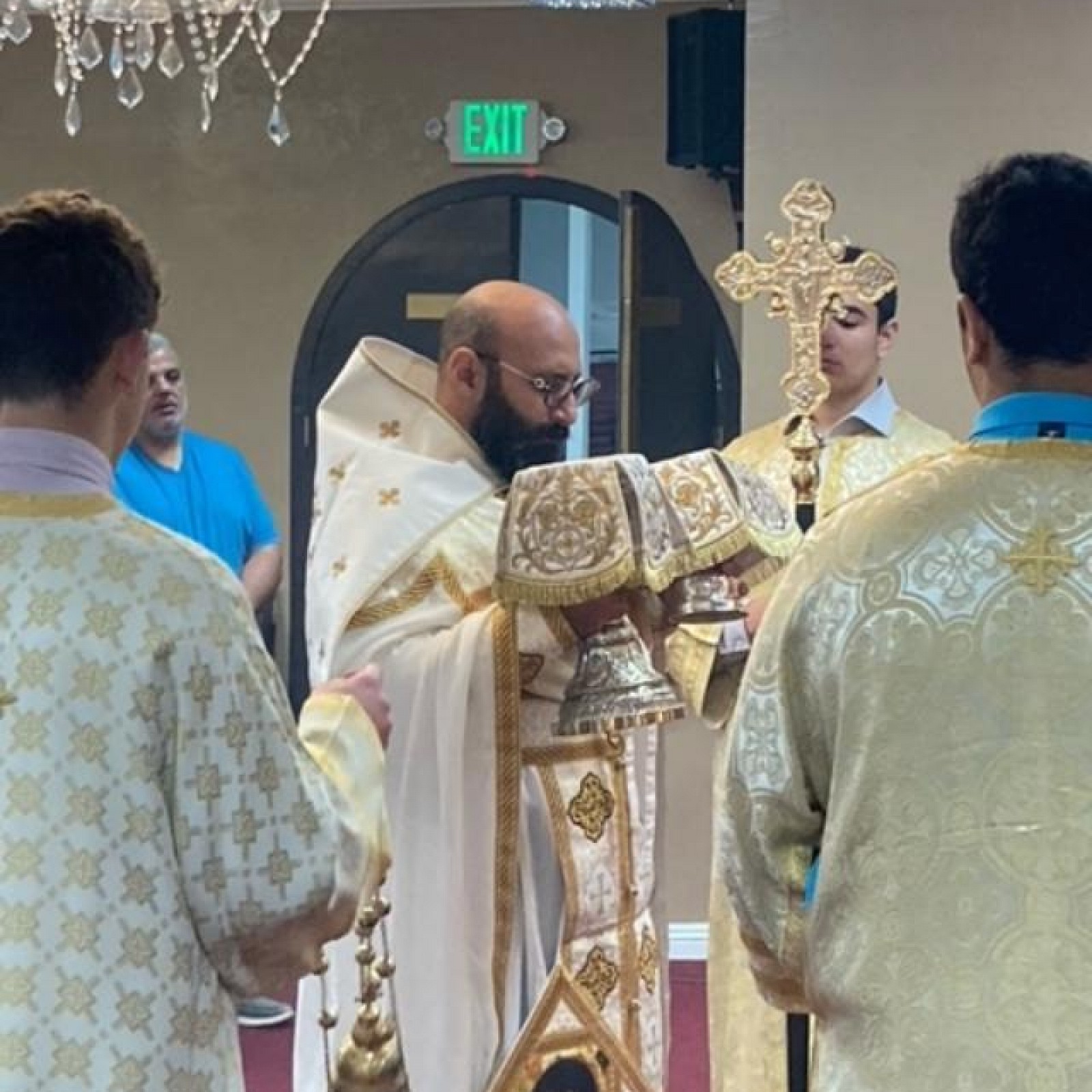
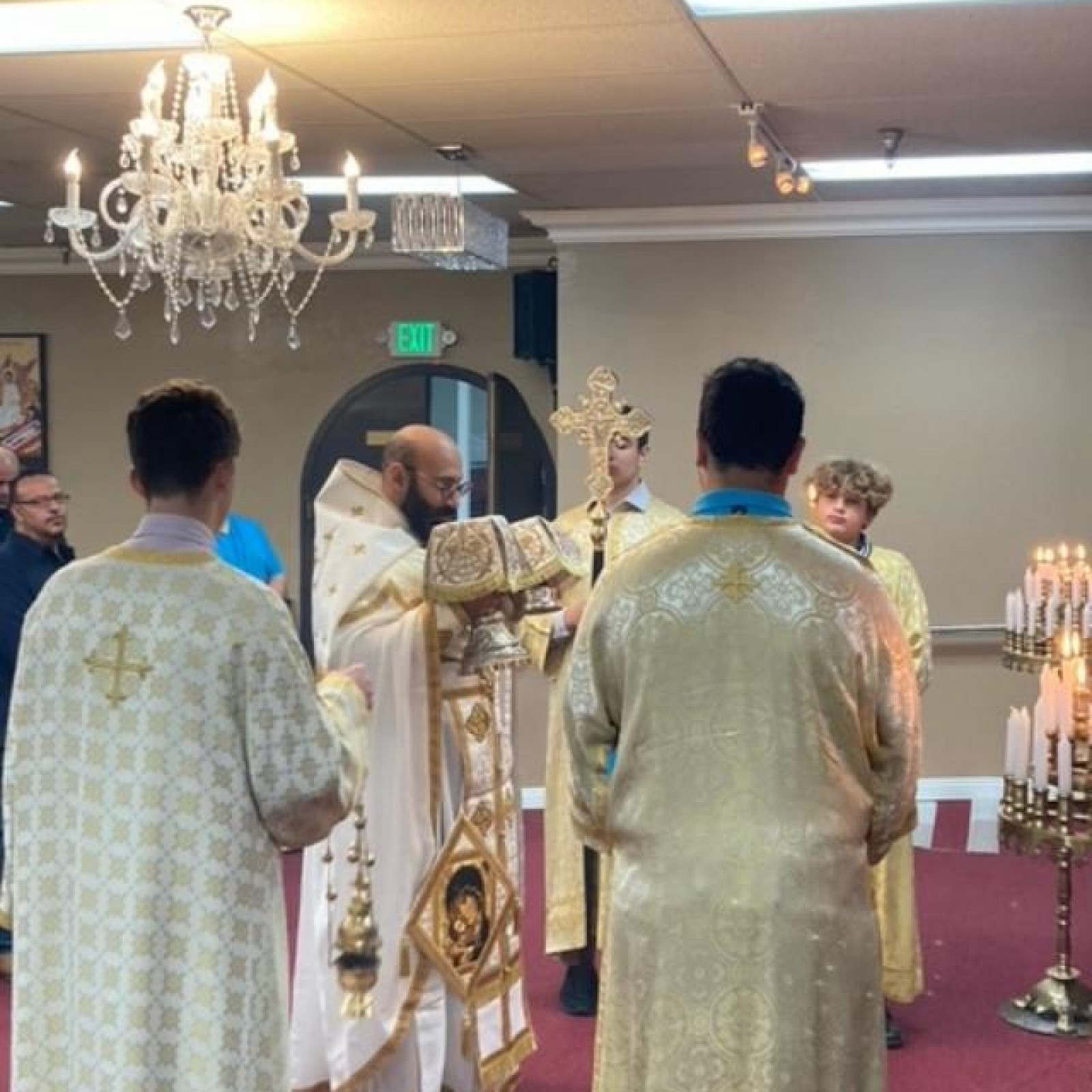
We worship God in the Divine Liturgy partaking in the Sacraments of The Church and in our private prayers. We gather weekly to proclaim His salvation, participate in the common action of the Divine Liturgy, and commune with God in the Sacrament of the Eucharist.
We serve others through fellowship, discipleship, and stewardship. In our fellowship we are united in our common faith and common endeavor to experience the Kingdom of God.
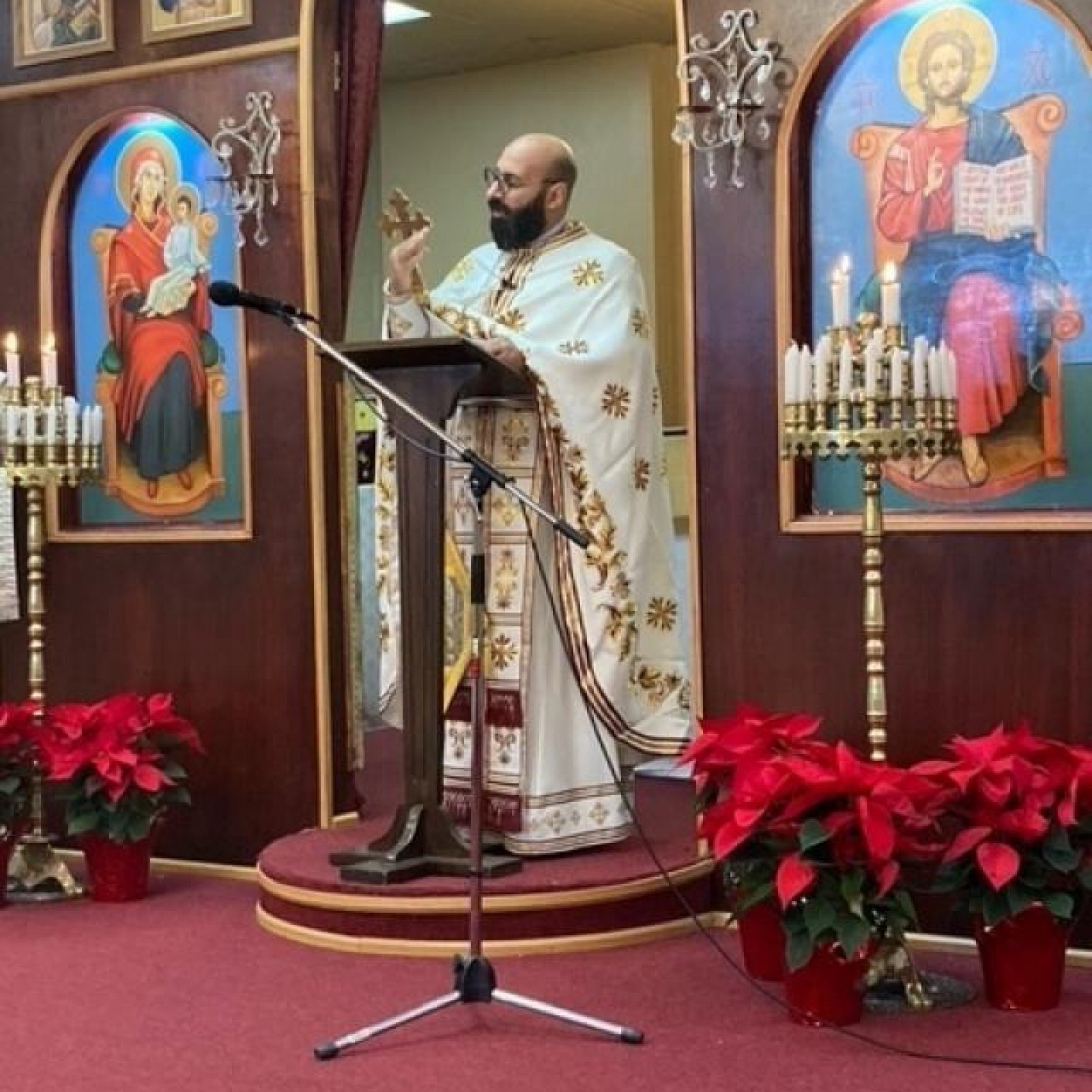
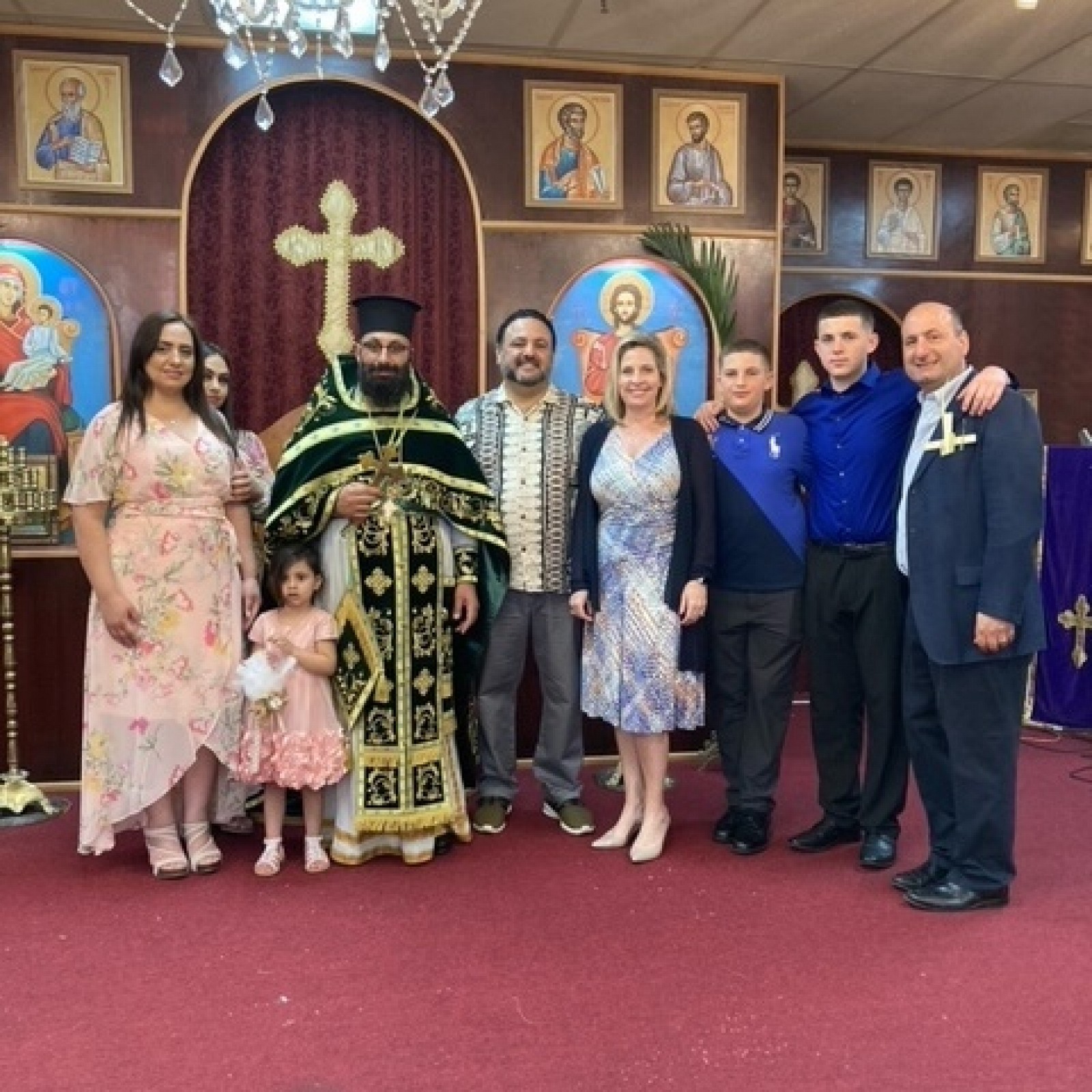
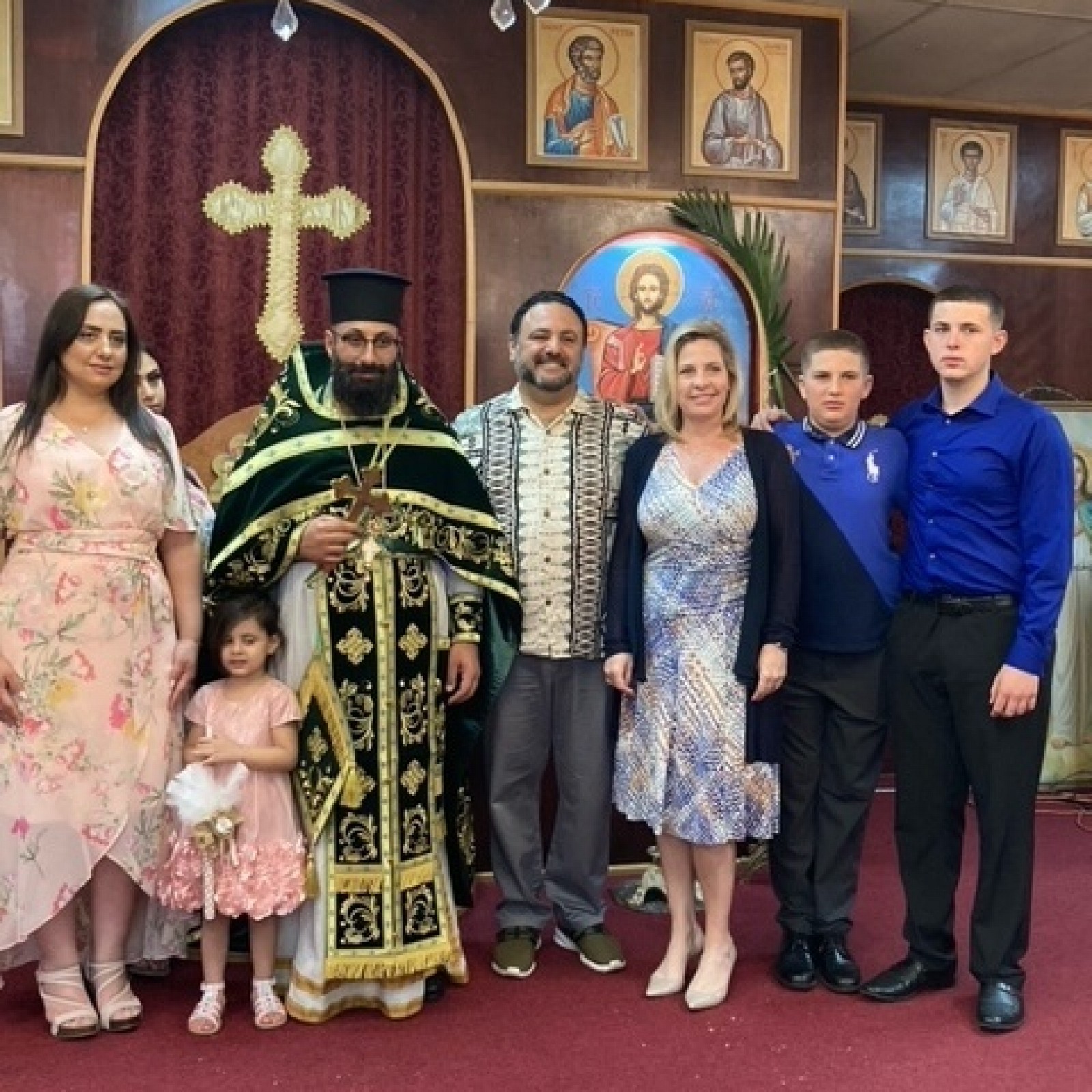
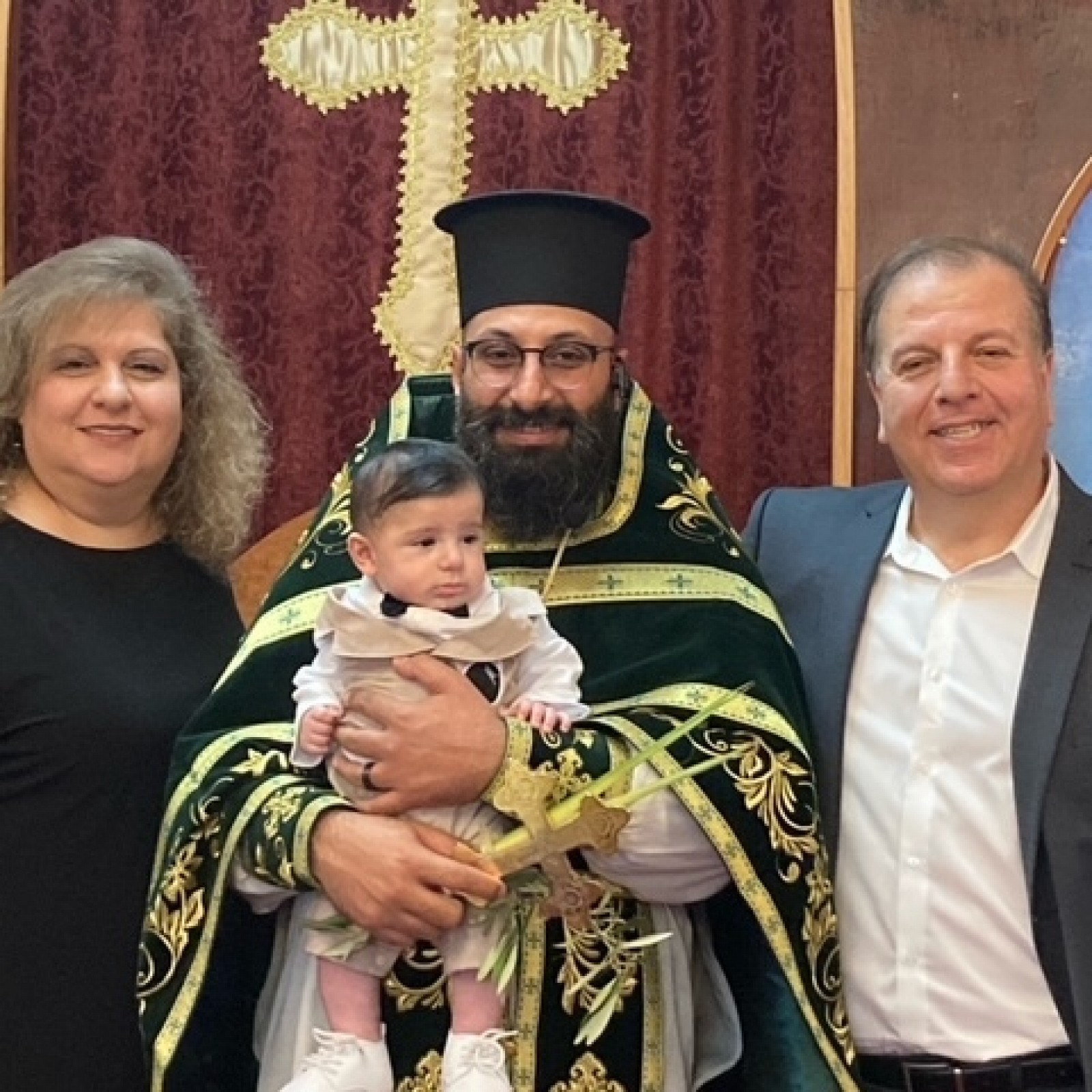
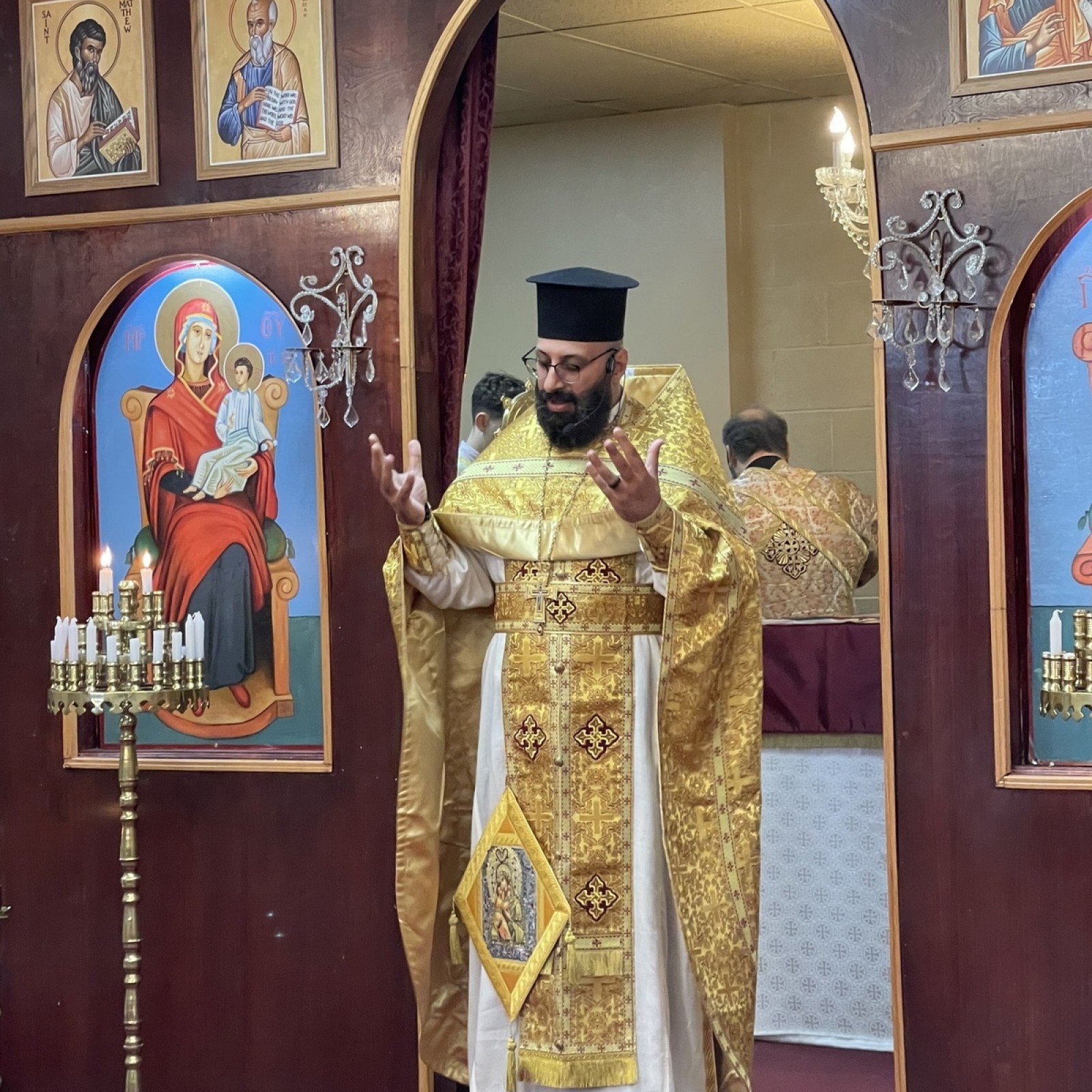
Father Symeon Fakhouri graduated from St Tikhon's Orthodox Theological Seminary and, has spent time at various parishes throughout the Antiochian Archdiocese, a year at the Patriarchal Monastery of Our Lady of Balamand, Lebanon and, as Youth Director of St. George in Chicago, Illinois. Additionally, Father Symeon has spent a year at the Antiochian Archdiocese Headquarters in Englewood, New Jersey under the tutelage and Omophorion of His Eminence Metropolitan SABA.
| What Can We Learn from America's First Orthodox Bishop? - 07/03/2026 As the nation marks its 250th anniversary, Metropolitan Saba reflects on the life and witness of St. Raphael of Brooklyn, the first Orthodox bishop of any background consecrated on American soil. Uniquely prepared by his travels through Damascus, Constantinople, Halki, Kiev, and Moscow and his command of many languages, St. Raphael tirelessly planted parishes for Orthodox immigrants across the United States, Canada, and Mexico. Metropolitan Saba holds him up as a model for our own time: one who moved between cultures, upheld the faith without compromise, and encouraged the faithful to embrace their new homeland. He calls us to honor these "founding fathers" of American Orthodoxy, learn from their witness, and continue nurturing what grew from their labors as new believers embrace the faith by choice. |
| The Faithful and Secularism, Part Three - 06/26/2026 In the third part of his reflection on secularism, Metropolitan Saba examines how believers respond to the unprecedented challenges that modernity — now called "postmodernity" — poses to the faith. He describes two currents that have emerged: one that treats every new thing as suspect and retreats to guard the purity of the faith without going out to meet a thirsting world, and another so enchanted by modernity that it blurs the line between the spirit of the world and the spirit of the Gospel. Both, he warns, drift toward an extremism built on conviction rather than prayerful love, threatening the unity of the Church. Drawing on the failed 2016 Council and the words of Olivier Clément, he points to the hesychastic life of prayer — the gentle breeze in which God spoke to Elijah — as the only path to clear vision and true love for the brother "for whom Christ died." |
| The Faithful and Secularism, Part Two - 06/20/2026 In the second part of his reflection on secularism, Metropolitan Saba warns of what happens when prayer weakens and ritual replaces the sanctifying life: the Church risks becoming a mere institution of this age, even a high-caliber humanitarian one, while losing her true mission of raising man toward the Kingdom of God. He examines how activism and fundamentalism are both betrayals of the Gospel, drawing on Father Alexander Schmemann, the witness of Mother Teresa, and the warning of the prophet Jeremiah, and calls the faithful back to a living spirit of prayer so that worldliness loses its grip and the Church remains truly the Church of Christ. |
| The Faithful and Secularism, Part One - 06/12/2026 In this week's reflection, His Eminence Metropolitan Saba (Isper) examines the growing influence of secularism on modern Christian life. He explores how secularism — the philosophy of managing life by human ability alone, without God — has created a divide between faith and everyday living. Through practical examples such as prayer in illness, the sacrament of marriage, and fasting practices, Metropolitan Saba illustrates how a secular mindset can hollow out the spiritual essence of Christian life, reducing sacred traditions to mere formality. He calls the faithful to examine where the culture of the age has displaced the demands of the Gospel in their lives. |
6655 Ming Ave.
Bakersfield, CA 93309